
Войти
Регистрация

05.01.2026
Just a few years ago, the concept of virtual models seemed like something out of a sci-fi movie. Fast forward to today, and these digital personas are not just a trend—they're a powerful tool in selling everything from clothes to cars. People are not only intrigued by them but often trust them as much as their human counterparts.
For brands, virtual models are more than just a novelty. They solve real-world challenges like unpredictable production schedules, high costs, and the ever-pressing need to capture audience attention.
So, what exactly are virtual models? They're digital beings crafted using advanced 3D graphics, AI, and motion technology. They look incredibly lifelike, with realistic skin, eyes, and expressions. The catch? They don't exist in the physical world.

But they're not just pretty pictures. Modern virtual models come with:
To audiences, they feel like "someone" rather than "something," which is where their true power lies.
Traditional photoshoots come with risks: models can be late, fall ill, or change their appearance. Virtual models eliminate these issues, maintaining a consistent look that aligns with the brand's needs, no matter the timeline.

Imagine a fashion brand launching in multiple regions. A single virtual character can be tailored to fit each market's style without the need for reshoots or travel.
While creating a virtual model can be pricey initially, the long-term savings are significant. No more recurring expenses for studios, makeup, travel, or reshoots.
One virtual persona can feature in numerous campaigns, reducing the organizational burden each time.

Ever heard the phrase, "We need it yesterday"? With virtual models, brands can respond to market demands in days, or even hours. Changing outfits, locations, or expressions is a breeze, keeping the production line moving smoothly.
It all starts with a clear vision. Who is this model? Who is their audience? Are they a bold trendsetter or a calm intellectual? Avoid the rookie mistake of focusing solely on aesthetics. Successful models have a character that stands out at first glance.
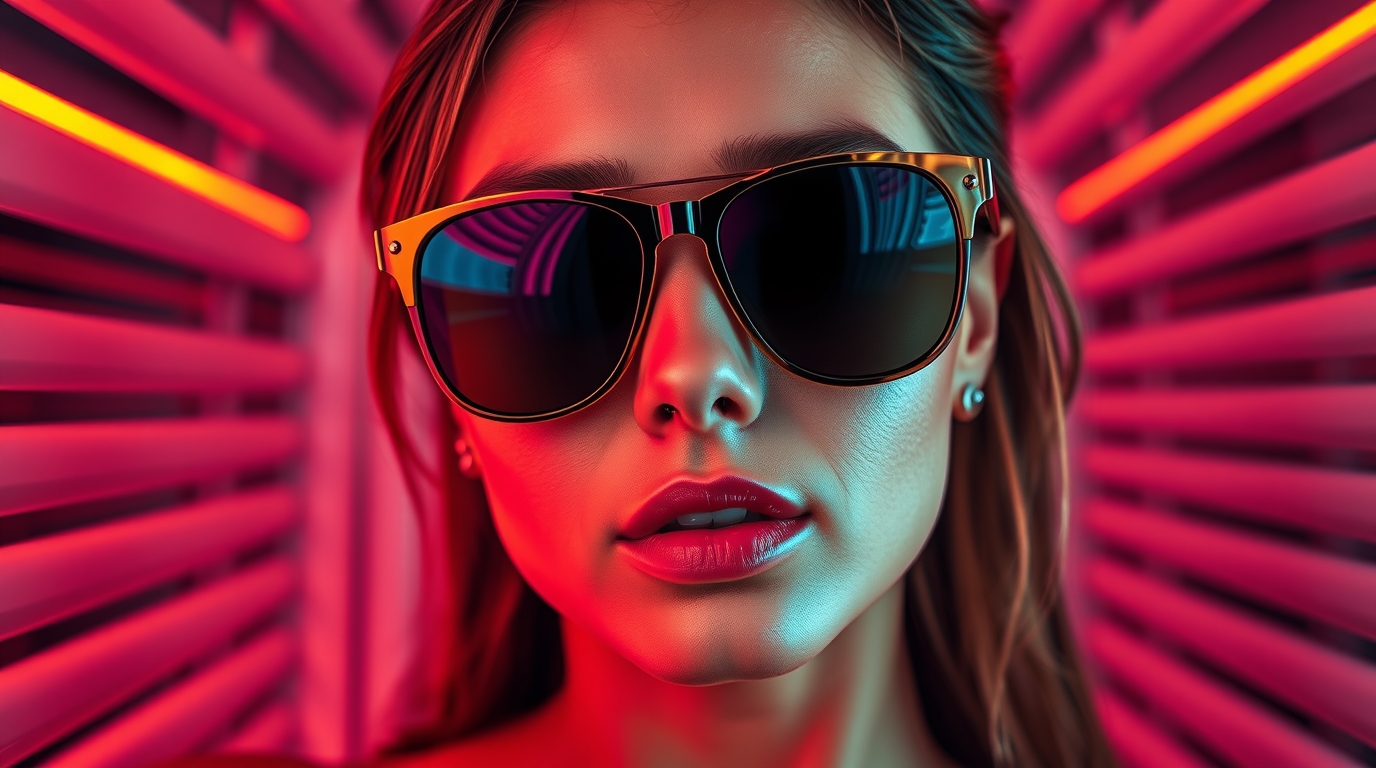
3D artists meticulously craft every detail, from skin texture to hair. It's the imperfections and asymmetry that breathe life into these digital faces, making them feel real rather than doll-like.
Bringing the model to life involves animating gestures, poses, and expressions. In today's ads, virtual models move naturally and interact with their surroundings, enhancing the viewer's experience.
The final step is launching the character across various channels: social media, websites, and videos. At this stage, the virtual model becomes a consistent brand ambassador.

A cosmetics brand uses a virtual model to showcase its new line. Each lipstick shade is displayed perfectly, without lighting or skin tone variations, ensuring customers see the product as intended.
An online fashion retailer reduces returns by using virtual models of different body types, helping customers visualize how clothes fit on various shapes.
A banking service employs a digital character in explainer videos, making complex financial products accessible and engaging.

Some worry that audiences won't accept virtual models. However, many people are open to them, provided they're not deceived. Transparency and consistency are key to building trust.
For younger audiences, a clearly virtual character can even seem more genuine than heavily edited real images.
The Russian market is on the brink of a virtual model boom. While some brands are still hesitant, others are already reaping the benefits. In the near future, virtual characters could become as commonplace as influencers or mascots.

The brands that harness this technology for tangible business results, rather than mere hype, will come out on top.
Virtual models aren't here to replace humans or threaten jobs. They're about enhancing control, speed, and consistency in brand communication. For businesses, they're a tool; for audiences, an engaging persona; and for the market, a natural evolution.
Now that you know the potential of virtual models, it's time to consider how they can fit into your strategy. Whether you're in fashion, cosmetics, or finance, these digital personas could be the key to unlocking new levels of engagement and efficiency. Don't wait—start exploring the possibilities today!